



文章最后更新时间:
虚幻引擎动作RPG框架资源概览
虚幻引擎动作RPG框架 Ascent Combat Framework ACF V4 面向需要快速验证 Unreal Engine 动作 RPG 战斗框架的开发者。它适合需要近战战斗、角色成长、装备系统、AI敌人和任务循环基础的项目。 这类资源适合先在测试工程中确认战斗节奏、角色成长、装备技能、AI行为、性能成本和维护边界,再决定是否迁移到正式项目。
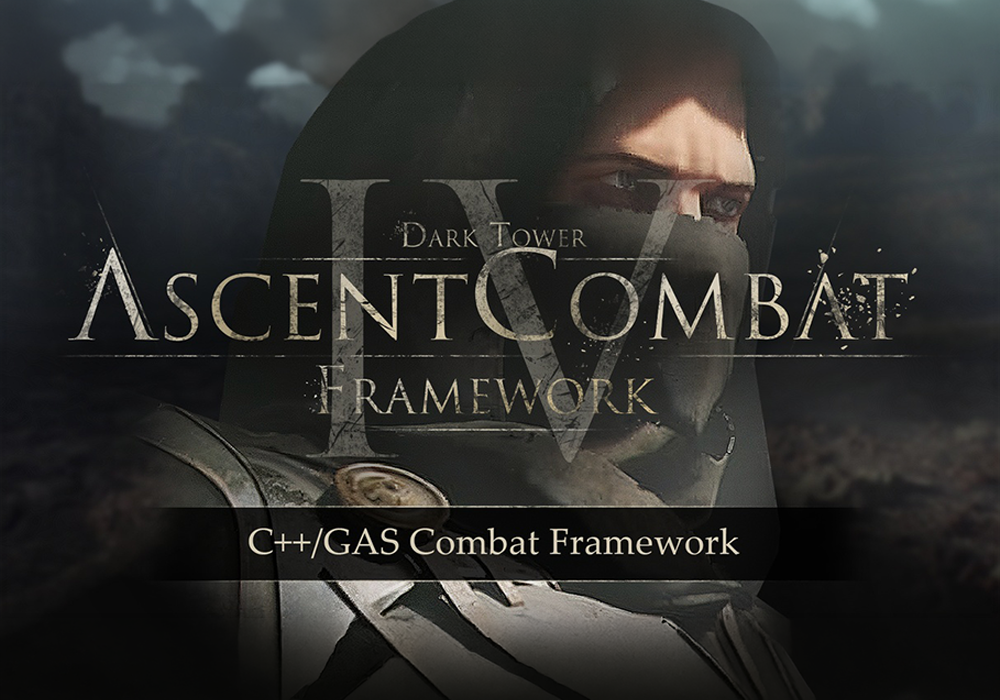
资源选型时建议先判断它解决的具体问题,再检查示例内容、依赖设置、版本记录、打包表现和后续维护成本。读者需要快速理解资源用途、适用项目和导入风险,搜索引擎也需要稳定的标题、关键词、图片说明、内部链接和官方出站链接。
虚幻引擎动作RPG框架适合哪些项目
如果项目处于原型阶段,可以优先用它验证核心功能;如果项目已经进入生产阶段,则应先在分支中测试,再迁移必要文件。这样既能提升效率,也能避免示例内容、默认设置或依赖项直接影响主工程。
建议从项目目标反推是否需要该资源:它是否解决明确问题,是否减少重复开发,是否方便维护,是否能和现有蓝图、材质、输入、动画、UI、关卡或插件系统共存。只有这些问题清楚之后,资源才真正适合进入长期项目。
导入前检查清单
导入前建议先备份项目,并在空白工程或测试分支中打开资源。检查 Unreal Engine 版本、插件依赖、示例地图、蓝图结构、材质质量、贴图体积、输入设置、碰撞通道、LOD、Nanite、Lumen、打包引用和平台限制。不要只看编辑器预览,也要运行实际战斗场景。
版本信息与官方页面
当前记录版本为 Version 4.2.3。版本信息会同步写入底部角标,方便以后核对更新日志、兼容性和项目迁移记录。使用前建议进入官方页面确认价格、授权、支持版本、作者说明和最新更新内容。
站内可以继续查看 Unreal Engine 资源 和 虚幻引擎插件。下载、授权、兼容性和更新日志请以 Official link 为准。
Technical Notes
Setup Review
Technical setup review should include engine version and package version. Check the test map name and required plugins. Record copied assets, changed settings, removed demo files, and rollback location.
Performance Review
Performance review should include editor restart testing and standalone testing. Compare packaged build behavior, frame time, memory budget, draw calls, shader cost, object count, tick behavior, streaming behavior, scalability settings, and platform limits.
Combat Review
Combat review should test attack timing and hit feedback. Check combo windows, stamina cost, damage events, animation notifies, input buffering, lock target rules, camera behavior, enemy reaction, and recovery timing.
Character Review
Character review should include attributes and equipment flow. Check level growth, weapon slots, armor slots, item data, skill data, inventory rules, save assumptions, UI feedback, and progression balance.
AI Review
AI review should include patrol, chase, attack, retreat, and recovery behavior. Test single enemy fights, group fights, boss style encounters, navigation limits, perception settings, and performance with many actors.
Publishing Review
Publishing review should include title, keyphrase, slug, and meta description. Check image alt text, cover image display, internal links, outbound official link, version badge, cache refresh, mobile layout, desktop layout, dark mode layout, and search preview.
Maintenance Review
Maintenance review should record known limitations and support status. Add license notes, official page URL, changelog comparison, approval date, review owner, next review date, rollback backup, modified files, removed files, and future upgrade settings.
Integration Validation
Integration validation should start in a blank test project. Continue in a controlled production branch. Record project name, engine version, package version, sample map, copied assets, modified settings, required plugins, removed demo content, and backup folder.
Gameplay Validation
Gameplay validation should cover normal use and edge cases. Test repeated loading, level restart, input changes, camera distance, player interaction, UI feedback, save assumptions, multiplayer assumptions, packaged behavior, and checklist comparison.
Asset Validation
Asset validation should include mesh naming and material naming. Check texture size, blueprint references, data assets, sound references, Niagara references, collision complexity, LOD setup, Nanite settings, Lumen behavior, shadow quality, and folder organization.
Upgrade Review
Upgrade review should compare the current package with future marketplace releases. Check changed files, removed files, new dependencies, deprecated settings, migration notes, sample map differences, blueprint warnings, material warnings, and packaging warnings.
Team Review
Team review should define who owns the resource after import. Assign responsibility for design, programming, animation, technical art, quality assurance, publishing, and maintenance. This prevents unmanaged production content.
Risk Review
Risk review should list integration problems before the final merge. Include platform restrictions, performance concerns, licensing questions, multiplayer assumptions, save assumptions, localization needs, accessibility concerns, support availability, and rollback planning.
Visual Review
Visual review should test day lighting and night lighting. Compare indoor lighting, outdoor lighting, cinematic camera distance, gameplay camera distance, high scalability, low scalability, dark mode page reading, and screenshots.
Documentation Review
Documentation review should keep short notes near project files. Record official page link, version badge text, import date, tested engine version, tested platform, known issues, required settings, removed content, and next review date.
Release Checklist
Release checklist review should confirm final package names and public page preview. Check user workflow, editor warnings, runtime warnings, broken references, missing textures, missing materials, redirectors, and article description consistency.
Compatibility Checklist
Compatibility checklist review should compare the resource against the target project template. Check rendering pipeline, input system, localization plan, save strategy, multiplayer plan, platform restrictions, plugin list, folder rules, source control rules, and packaging requirements.
Audit Checklist
Audit checklist review should keep the optimized article and backup record together. Add official link, version badge, image source, meta description, focus keyphrase, category links, outbound link, and final verification result.
Reader Checklist
Reader checklist review should explain what the resource is. It should say who should use it and what to test first. It should also show risks, official information, and production fit.
Production Branch Review
Production branch review should verify that the resource was not copied directly into the final project. Keep a clean import branch and an integration branch. Keep a rollback point before merging assets.
QA Scenario Review
QA scenario review should include normal user flow and repeated user flow. Check invalid input, missing references, level reload, editor restart, packaged startup, graphics changes, focus changes, controller input, keyboard input, and platform restrictions.
SEO Stability Review
SEO stability review should protect key SEO fields. Keep the focus keyphrase, SEO title, meta description, image alt text, category links, official outbound link, version badge, public URL, and progress record.
Sentence Review
Keep notes short. Check links. Confirm cache. Review images. Test the page. Open the official page. Record the package version. Save the backup path. Confirm mobile layout. Confirm desktop layout. Check dark mode. Check light mode. Review headings. Review paragraph length. Review SEO fields.
Final Verification Review
Final verification review should include HTTP status, word count, keyphrase count, and meta description length. Check image availability, alt text, internal links, outbound links, heading distribution, paragraph length, badge text, badge opacity, and backup location.
Final Review Notes
Keep the import branch clean. Test one combat map first. Review animation warnings. Review blueprint warnings. Confirm packaged startup. Check save behavior. Check UI scaling. Check controller input. Check keyboard input. Confirm rollback files. Keep the official link available for future version review.
Ascent Combat Framework ACF V4
它适合需要近战战斗、角色成长、装备系统、AI敌人和任务循环基础的项目。
核心亮点
快速验证
适合先在测试工程中确认核心功能和项目适配度。
结构清晰
便于检查依赖、内容组织和后续迁移风险。
方便选型
保留 Official link,方便核对授权、兼容性和更新说明。
Official link
内容基于官方页面与站内资源信息整理,下载和授权信息请以官方页面为准。
¥128












暂无评论内容